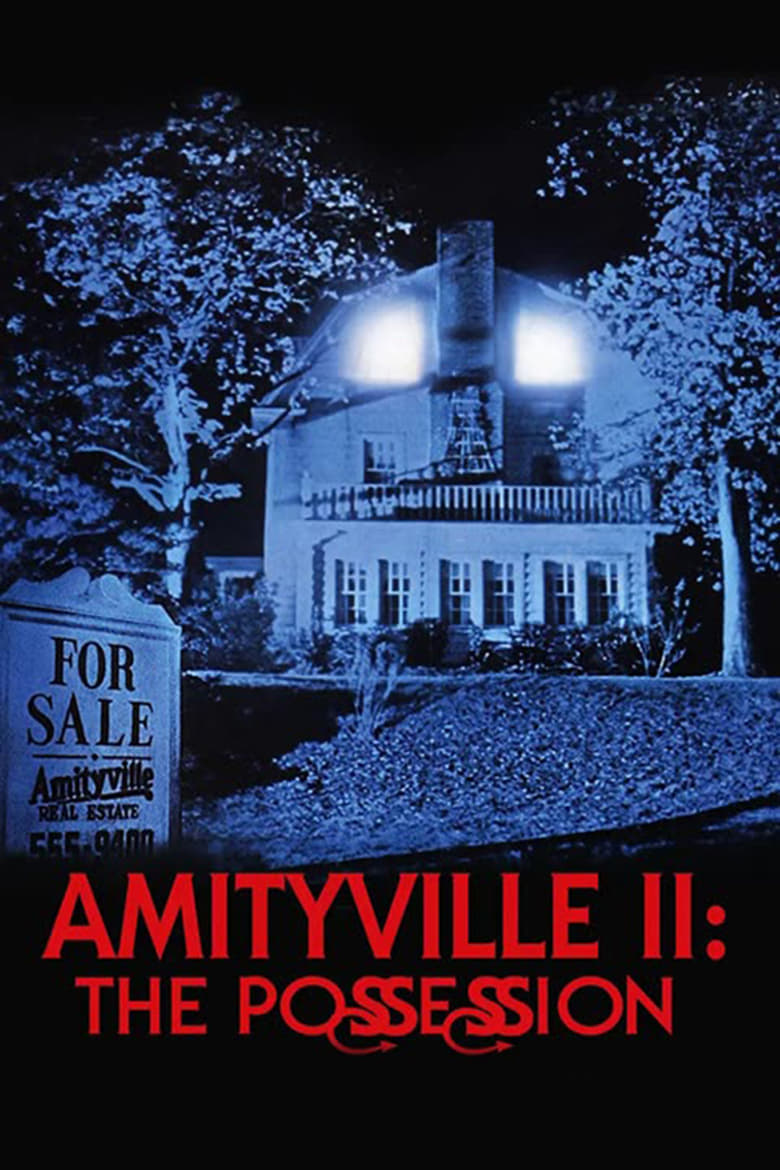
Amityville II: The Possession
“If these walls could talk...They would shriek!”
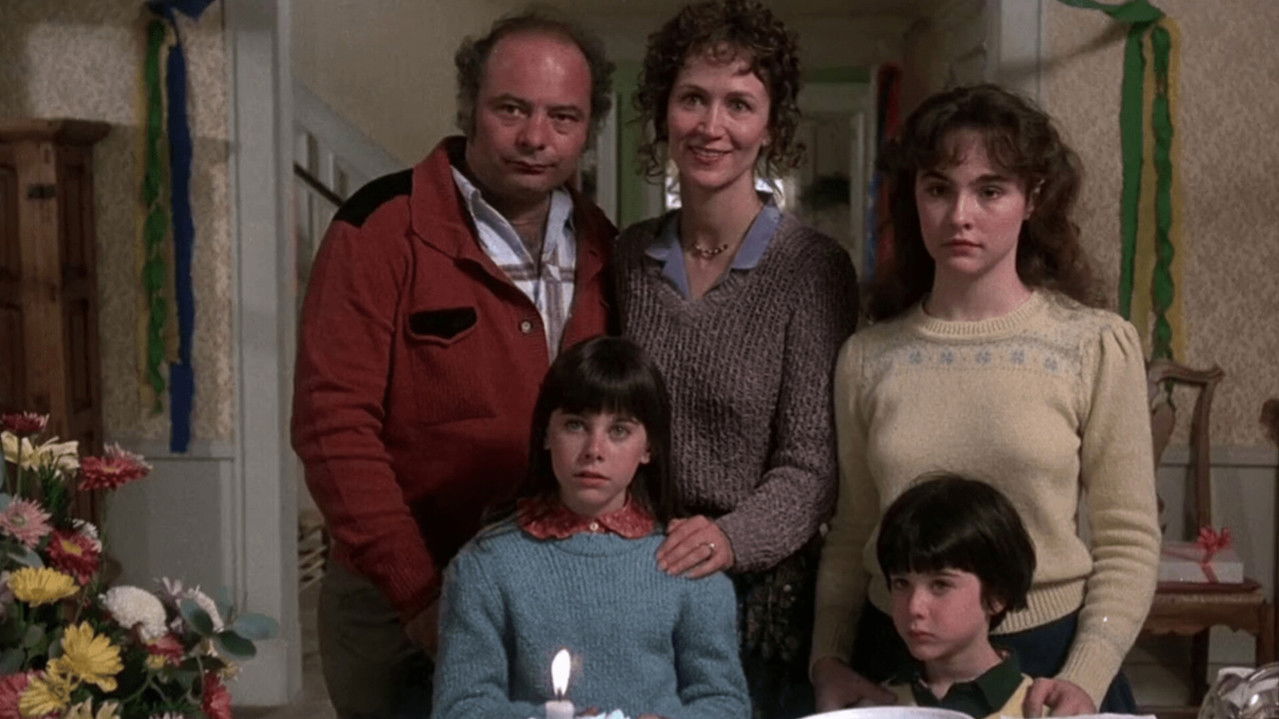
Anthony and Dolores Montelli, along with their four children, move into their dream house in Amityville and are immediately plagued by a string of paranormal experiences. When the abusive Anthony wrongly places the blame on the children, Dolores recruits a local Catholic priest to exorcise the house.
About Amityville II: The Possession
Why Amityville II: The Possession is still worth talking about
You could describe Amityville II as a possession movie, and you wouldn’t be wrong. But what stays with you is how it makes a house feel less like shelter and more like a place that corrodes the people inside it. The Montellis — Anthony and Dolores and their four children — arrive at 112 Ocean Avenue and the ordinary business of family life becomes the film’s battleground.
Damiano Damiani directs, and the film runs just over an hour and a half — 104 minutes of escalating dread that rarely pauses for comfort. James Olson appears as Father Frank Adamsky, the local priest Dolores turns to when the small, strange things start happening. It’s a horror film about more than ghosts: family, home and safety, parental protection, authority and fear are all in the mix. The movie doesn’t hide the uncanny — doors bang when no one’s outside, a demonic message appears on a child’s wall — and it deliberately forces the supernatural into the messy middle of an already fragile household.
The idea that sets Amityville II: The Possession in motion
At its simplest, the film asks what happens when a family home stops protecting its people. The Montellis move into the Amityville house with their children and quickly find the place is inhabited by something hostile and unseen.
Those early signs — banging doors, night disturbances, scrawled demonic messages — don’t remain harmless curiosities for long. Tensions between Anthony and the children flare after an incident causes real damage in the kitchen, and the family dynamics begin to feel weaponised by whatever is in the walls.
One son, Sonny, chases demonic laughter to a tunnel in the basement and the film takes a darker turn: the house’s influence starts to change him in unsettling ways, physical and otherwise. The possession isn’t a metaphor that stays tidy; it pushes a child into behaviour that wrecks the family from the inside.
When the killings occur and Sonny is arrested, Father Frank Adamsky becomes convinced the boy doesn’t remember what he’s done. That belief drives Adamsky to act — to try an exorcism without the church’s blessing — and the story returns to the house for a final confrontation between priest, family and whatever has made the place its lair.
Why Father Frank Adamsky matters
Father Frank Adamsky is the film’s secular anchor — not the head of a detective agency or a military man, but a priest pulled into domestic crisis. James Olson plays him, and his role is simple in description but heavy in consequence: he’s the one Dolores turns to when the family’s private life begins to fray.
His involvement is practical at first — a house blessing, a figure of authority called in to steady things — but it becomes moral and desperate. Adamsky sees a boy who claims he cannot remember slaughtering his family, and that claim forces him into action that the church hierarchy refuses to back.
That refusal matters in the story: Adamsky chooses to act outside institutional consent, freeing Sonny from custody and attempting an exorcism himself. His choices pull the private horror of the Montellis into the public sphere, where legal and religious authorities collide with the uncanny.
What follows changes him irrevocably — by the end the priest’s fate is left open and ominous — and his arc helps the film keep both belief and doubt in play. He’s not just a plot device; he’s the human figure left holding the terrible consequences of what happens when home stops keeping people safe.
Amityville II: The Possession has more on its mind than the plot suggests
Beneath the jump scares and the possession beats, the film is centrally concerned with family. The Montellis are the locus for anxiety: a household that should be private is pulled into violence and shame, and those stresses are as important as any supernatural element.
Home and safety are treated as fragile rather than guaranteed. The film insists that a house can fail to protect, and that failure is more terrifying precisely because a home is supposed to be where you’re safest. That reversal is the emotional engine.
There’s also a collision between faith and authority. The family looks to the church for rescue, but institutional reluctance and personal failings complicate rescue — so protection falls to individuals like Dolores and Adamsky, who make desperate choices toward the end. Finally, parental protection and fear thread through every scene: Anthony’s strictness and violence, Dolores’s attempts to hold the younger children together, and the way the supernatural seems to exploit ordinary family fault lines. The horror is never just the demon; it’s how ordinary cruelty and sacred trust are twisted together.
Amityville II: The Possession could not belong to any other decade
Released in 1982, Amityville II sits squarely in the early‑80s moment when horror often mixed domestic drama with supernatural scares. Its story makes the family the primary arena for terror rather than sending protagonists off into isolated wilderness.
That placement matters: the film isn’t a period exercise or a nostalgic riff. It’s an early‑80s horror piece that uses its time to insist the ordinary — the house, the family, the parish — can be the site of extraordinary evil.
Calling it an ’80s movie isn’t shorthand for a look or a soundtrack so much as a statement about narrative choices. The film’s willingness to foreground family breakdown alongside possession is one of those storytelling directions filmmakers of the decade explored often.
If you approach it as a film of 1982 rather than as a timeless gothic parable, you’ll see how clearly it trades on contemporary anxieties about authority, faith and domestic stability.
What has aged — and what hasn't
Some elements remain effective: the setup of a family under siege and the idea that home can betray you still land, because they use recognisable domestic pressures rather than abstract shock alone. Themes of family, home and fear are evergreen and the film leans into them rather than hiding behind cheap jump edits.
Other parts are harder to live with. The film doesn’t shy from brutality inside the household — Anthony’s blaming and physical abuse of his children and wife is explicit, and there are moments that depict sexual transgression and coercion that modern viewers will find disturbing in different ways than audiences did in 1982.
Certain plot beats — a child claiming to be unwell, escalating paranormal incidents, and the terrible aftermath when Sonny says he doesn’t remember the killings — still carry emotional punch, but the movie’s bluntness about family violence and sexualised scenes sits uncomfortably next to those moments.
Finally, the narrative choices about religious authority — a priest forced to act without support — still feel narratively compelling, though the consequences for those characters (including the priest’s unresolved fate) leave a rawness that won’t be everyone’s cup of tea.
Why Amityville II: The Possession still matters
People remember this film because it doesn’t couch its shocks in metaphor — when it wants you to squirm, it goes for the family’s nerves. Paranormal messages on a child’s wall and unexplained banging are the kind of images that lodge in the mind, and the movie makes the supernatural feel invasive rather than showy.
It also stays in the conversation for how far it pushes its subject matter: the film stages an incestuous scene that’s presented in-universe as part of the possession’s damage, and that frankness about transgression is still likely to get viewers talking, even decades on.
The progression to mass violence — Sonny’s descent and the killings that follow — is brutal and decisive, and the aftermath shifts the film into a different register: legal procedures, arrest, and Adamsky’s conviction that something other than human agency is to blame. Finally, the closing notes — an exorcism attempted outside institutional blessing, the implication the demon moves on into the priest, and the house being put up for sale again — give the story a cyclical creepiness. It’s that sense of unfinished business that keeps people returning to discuss what the film means and what it didn’t solve.
Does Amityville II: The Possession still hold up?
Short answer: yes, for certain viewers. If you want a horror film that treats the domestic as the true source of unease and aren’t looking for comforting closure, it’s worth a watch. Damiani’s 1982 film commits to its premise: a house that undermines family safety and a priest who chooses conscience over institutional protocol.
But it’s not an easy watch. The film leans into real‑world cruelties — parental abuse, sexual coercion within a marriage, and an on-screen incestuous episode tied to the possession — and those elements are confronting in a modern viewing. That honesty can be powerful, but it can also feel raw and distressing.
If you’re curious about a possession story that centres family violence rather than courtroom mystery or jump‑scare set pieces, this one delivers and lingers. The narrative choice to have Adamsky act without church backing and then to leave his fate unresolved keeps the film morally unsettled in a way that’s still effective.
So watch it if you want darkness that bites close to home. Don’t watch it expecting a tidy exorcism melodrama. The house here isn’t just haunted — it exposes what was already broken, and that’s why the film still has teeth.