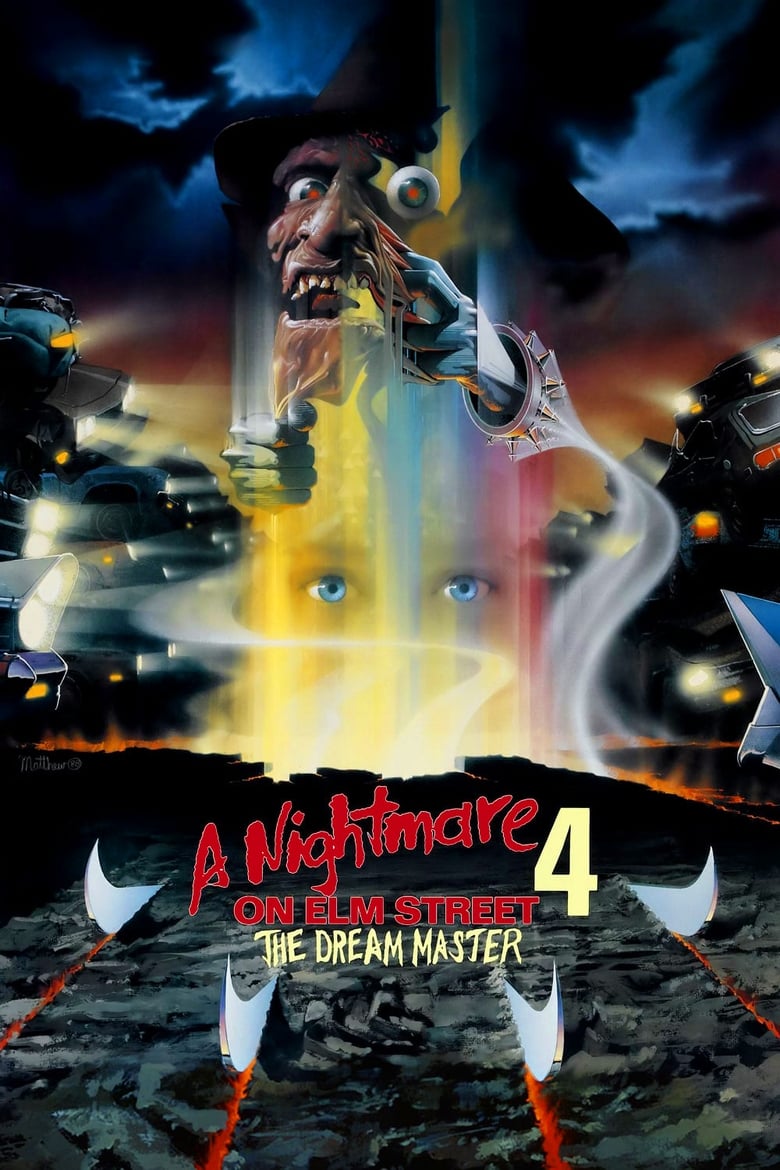
A Nightmare on Elm Street 4: The Dream Master
“Terror beyond your wildest dreams.”
Freddy Krueger returns once again to terrorize the dreams of the remaining Dream Warriors, as well as those of a young woman who may be able to defeat him for good.
About A Nightmare on Elm Street 4: The Dream Master
Why A Nightmare on Elm Street 4: The Dream Master is still worth talking about
Put simply: it’s a film that turbocharges a single idea. The world returns to ordinary teenagers a year after the Westin Hills nightmare, but the past isn’t done with them — and someone else is about to discover how inconvenient dreams can be.
Renny Harlin’s 1988 entry runs a neat 89 minutes and wastes none of it. The setup hands Freddy new victims and a new kind of playground, while giving Lisa Wilcox’s Alice an odd, stubborn path to heroism: she inherits other people’s dream-skills and has to learn fast. And yes, Robert Englund is here as Freddy Krueger. But the film isn’t a one-man show; it’s a group picture with a streak of parental panic and a healthy dose of teenage loyalty. That mix is what keeps it interesting long after the first jump-scare.
The idea that sets A Nightmare on Elm Street 4: The Dream Master in motion
The premise is tidy and efficient: it’s been a year since the Westin Hills survivors left the hospital, and ordinary life is supposed to resume. Of course, ordinary doesn’t last long when dreams are contagious.
Kristen’s nightmare drags ex–Westin kids back into the dreamworld and, crucially, back into Freddy’s orbit. That call-out — the idea that dreaming can summon other people — is the engine the film uses to keep stakes personal and immediate.
Into that engine it drops a new circle of friends: Rick, his quieter sister Alice, the clever Sheila and athletic Debbie. Those relationships are what turn Freddy’s attacks into losses that matter, rather than anonymous slasher fodder.
So the setup works because it keeps the action local. The danger isn’t abstract; it’s classmates, lovers and mothers. When those people start dying, the film gives the survivors a very human reason to fight back.
Why Freddy Krueger matters
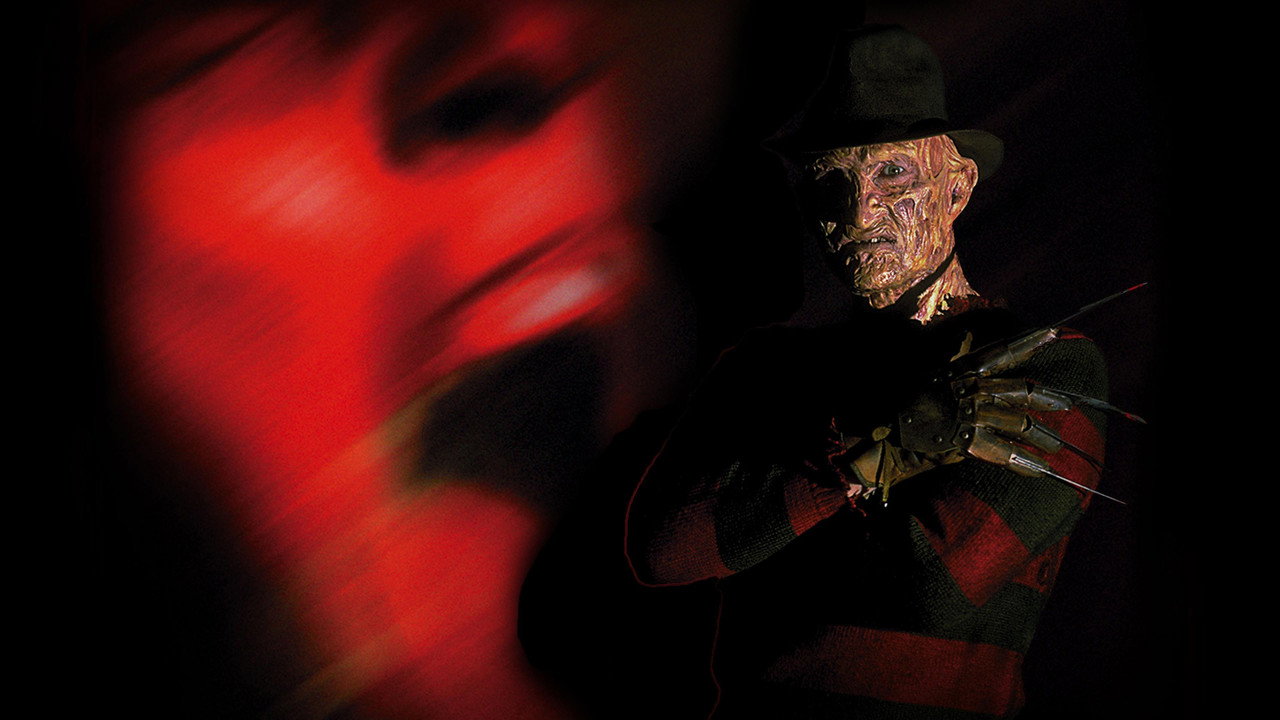
Robert Englund’s Freddy is the constant no matter how many new faces the franchise introduces. In this film he’s less a whispering myth and more an aggressive, inventive pest — the kind that remodels people’s dreams just to see what will happen.
His role here is practical: Freddy isn’t only a killer, he’s an instigator. By prodding Kristen’s dreaming and then preying on the people she calls in, he makes the conflict family-sized rather than anonymous.
That personal quality turns each loss into something the survivors can feel and react to. Freddy’s presence forces the group to change; he doesn’t just thin the cast, he reshapes the remaining characters’ identities.
Which is why he matters: he isn’t merely the film’s villain. He’s the mechanism that compels Alice to absorb other people’s strengths and become the kind of hero the series hadn’t shown yet.
A Nightmare on Elm Street 4: The Dream Master has more on its mind than the plot suggests
At first glance it’s a slasher: rules, a killer and a shrinking social circle. Look closer and the film keeps returning to family — not just blood relatives, but the way friends step into that role when real parents can’t help.
Parental protection is literally on the page: characters are guarded, checked on, dosed with sleeping pills and made helpless in ways that underline how vulnerable teenagers can be when adults aren’t aware or equipped.
Friendship is the film’s counterweight. Alice doesn’t gain powers from nowhere; she inherits them from the people she loves. The film treats loyalty as a resource — something that can be passed on, used and, crucially, returned. And there’s mortality and courage threaded through it all. Every death forces a decision: run, wake the others, or fight in dreams. The movie has a curious respect for the idea that heroism can be improvised, assembled from other people’s bravery.
A Nightmare on Elm Street 4: The Dream Master could not belong to any other decade
Released in 1988, this is a picture that carries the decade’s appetite for high-concept horror: take a simple rule — dreaming summons other people — and push it to imaginative extremes.
That approach feels very 1980s in its confidence: brisk pacing, an appetite for genre-mixing and a willingness to trade subtlety for momentum. The film prefers to keep the audience moving rather than dwelling on lingering explanations.
It’s not sentimental about its scares. Instead, it treats fantasy as a working tool — something to be used, mocked and then overturned — which is a neat encapsulation of the era’s genre movies.
So while the fashions and soundtrack might date it, the movie’s structural choices — punchy concept, fast running time and clear stakes — are classic late-80s filmmaking instincts.
What has aged — and what hasn't
Some of the film’s pleasures are stubbornly simple and still work: the idea that dreams can be used as a battleground and as a means of transferring power is neat and easy to follow, which helps the movie survive rewatches.
Certain production notes read differently now. Casting shifts and soundtrack contributions — such as the replacement of Kristen’s actress and the notes about Tuesday Knight’s role — are trivia that colour the viewing but don’t derail the story.
The movie’s teen-centred concerns — friendship, family friction and the unreliable adults who try to protect children — feel of-a-piece with viewers today who enjoy character-driven horror. Those human beats haven’t gone out of fashion.
That said, some plot conveniences and the brisk, almost schematic way characters are dispatched can feel blunt to modern tastes. But if you’re watching for a compact, plot-forward horror show, that bluntness is part of the film’s deal.
Why A Nightmare on Elm Street 4: The Dream Master still matters
For a lot of fans the film’s lasting image isn’t a single set-piece but its conceit: that dreams can be shared, stolen and weaponised. That idea gives the movie a neat emotional hook — every casualty matters because they were someone’s friend.
Alice’s journey — inheriting friends’ abilities, using them and ultimately freeing their souls — gives the film a sense of closure that leans into togetherness rather than lone-survivor grit.
Kristen passing on her dream power and Alice having to face Freddy alone reframes the film as a relay race: bravery is something you pass on when you can’t keep running. It’s a tidy, emotional shorthand that resonates. Months after the final confrontation the film even allows for a small, uneasy lull: Alice sees Freddy’s reflection and walks away. It’s a reminder that this kind of fear leaves traces, even when the immediate threat is gone.
Does A Nightmare on Elm Street 4: The Dream Master still hold up?
Yes — with a caveat. If you want sharp ideas, brisk storytelling and a horror film that privileges group dynamics over lone-survivor mythology, this is still a neat watch. Robert Englund’s Freddy remains the necessary pest, and Lisa Wilcox’s Alice gives the film a sensible, forward-moving spine.
Harlin’s direction keeps the pace tight — 89 minutes means the movie rarely lingers on exposition — and that economy helps its late-80s sensibility feel purposeful rather than indulgent. The Dream Master nursery rhyme payoff, where Alice forces Freddy to look at himself, gives the whole thing a satisfying click.
If you’re watching for slow-burn atmosphere or modern character nuance, it can feel schematic. But as a piece of franchise filmmaking that wants to escalate stakes and hand the torch to a new kind of heroine, it succeeds.
So watch it if you like your horror fast, a bit clever and tied to friendships that matter. The film isn’t flawless, but it knows the value of company in the dark — and that’s more than many entries in the genre can claim.