Norman Bates — Psycho (1960)
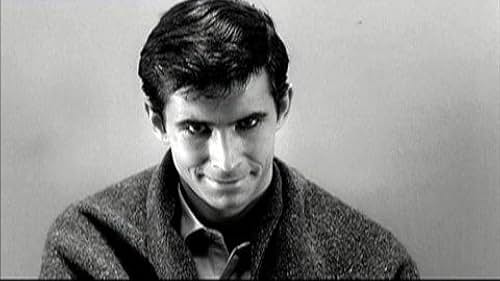
Before Norman Bates, many of cinema’s most famous horror monsters were unmistakably monsters.
Dracula was a vampire. The Wolf Man transformed beneath the moon. Frankenstein’s creature looked like something assembled from the dead.
Norman looked like the man behind the desk at a quiet roadside motel.
That was the problem.
Alfred Hitchcock’s Psycho brought horror frighteningly close to everyday life. Norman Bates didn’t need supernatural powers, an ancient curse or a castle on a mountain.
He had the Bates Motel.
And a secret.
The shower murder became one of cinema’s defining sequences, but Norman’s greater legacy was the idea that the person audiences should fear might appear completely ordinary.
The influence stretches far beyond Psycho. The psychologically disturbed human killer became central to decades of horror and thriller cinema.
Horror didn’t always need a monster anymore.
Sometimes the monster could smile and hand you the key to your room.
Leatherface — The Texas Chain Saw Massacre (1974)
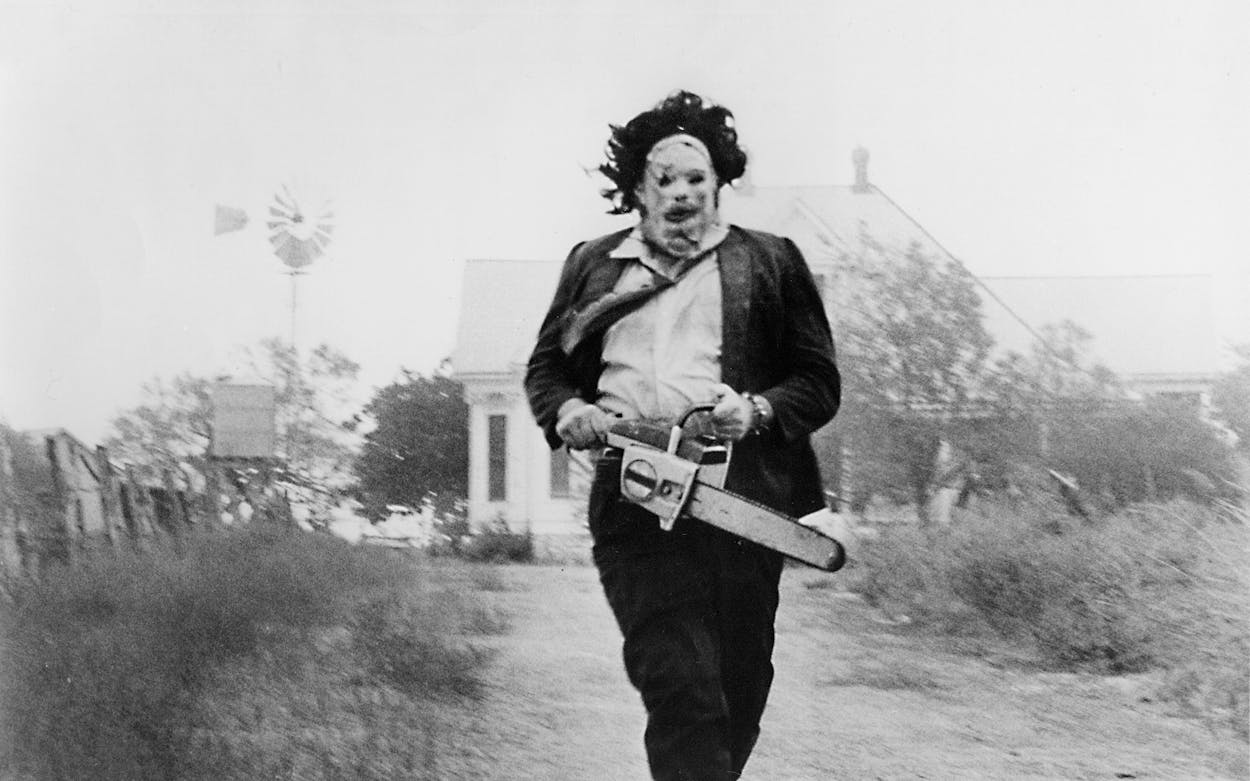
Leatherface arrives like an accident.
There's no grand introduction.
A door opens.
A huge man wearing a human-skin mask appears, strikes his victim and drags the body away.
Then the metal door slams shut.
Tobe Hooper’s The Texas Chain Saw Massacre gave horror one of its most disturbing figures precisely because Leatherface doesn’t behave like a traditional movie villain.
He’s chaotic. Frightened. Brutal.
And surrounded by a family that makes him seem almost normal by comparison.
The chainsaw inevitably became his signature, but the mask is arguably even more important. Leatherface literally wears another person’s face, stripping away any conventional identity.
The film arrived years before the slasher boom, yet much of what followed is visible inside it: isolated young victims, relentless pursuit, grotesque violence and a killer whose silhouette alone becomes instantly recognisable.
Leatherface didn’t invent the slasher.
But he helped show it what it could become.
Michael Myers — Halloween (1978)
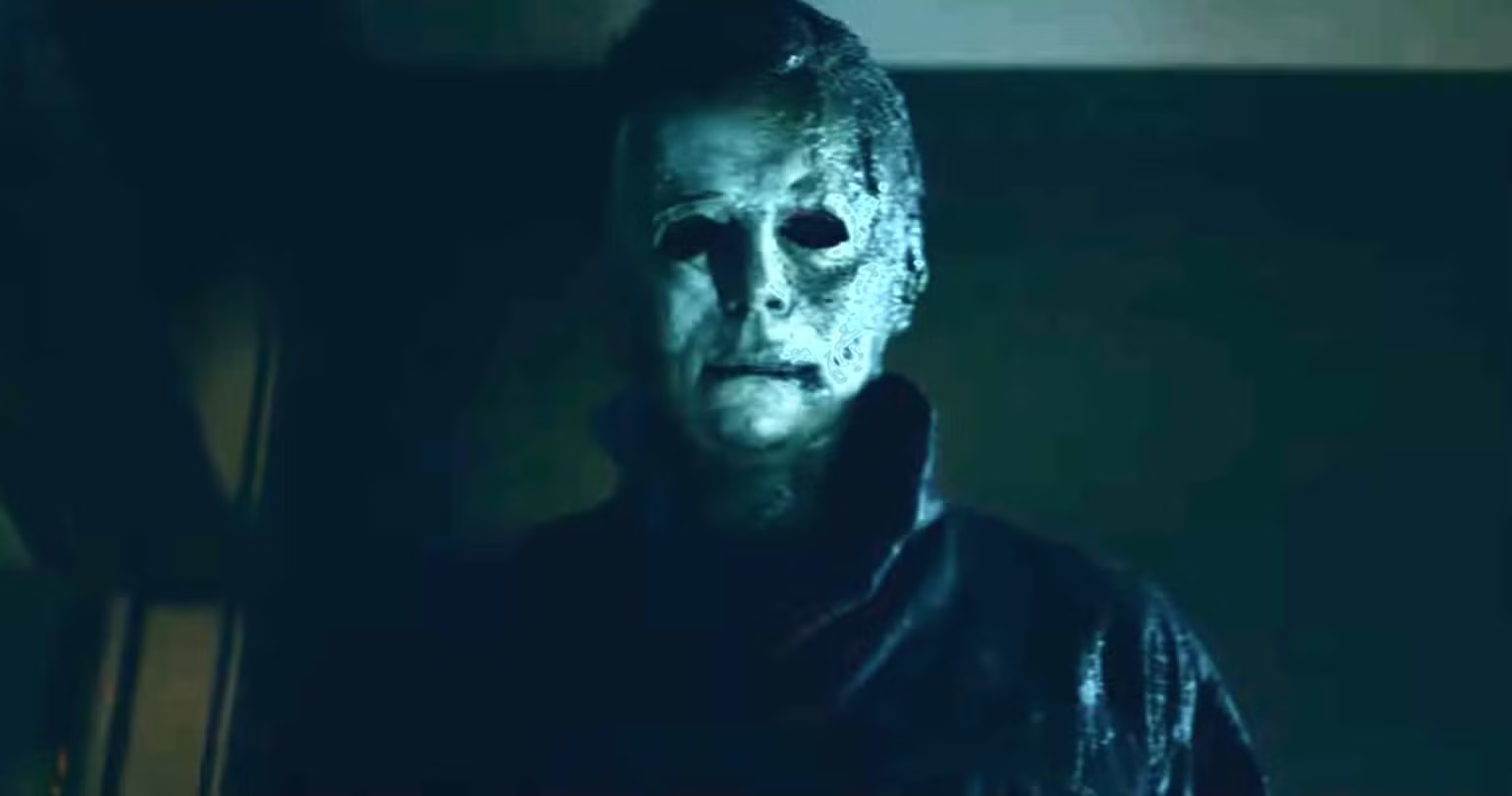
Michael Myers made simplicity terrifying.
A white mask.
Dark overalls.
A kitchen knife.
That’s essentially it.
Yet John Carpenter and Debra Hill turned those elements into one of the purest representations of evil horror cinema has produced.
Michael doesn’t need to explain himself.
He watches.
He follows.
And when Laurie Strode thinks she has finally stopped him, Halloween delivers its final cruel idea.
The body is gone.
Carpenter repeatedly frames Michael at a distance — standing between washing lines, appearing behind a hedge or silently occupying the background while somebody goes about their day.
It created the feeling that Michael could be anywhere.
The commercial success and influence of Halloween helped ignite the slasher explosion that followed. Suddenly masked killers were stalking teenagers through camps, schools, hospitals, mines and suburban streets.
But few possessed Michael’s simplicity.
He wasn’t merely Michael Myers.
He was The Shape.
And horror cinema spent years trying to create another one.
Jason Voorhees — Friday the 13th
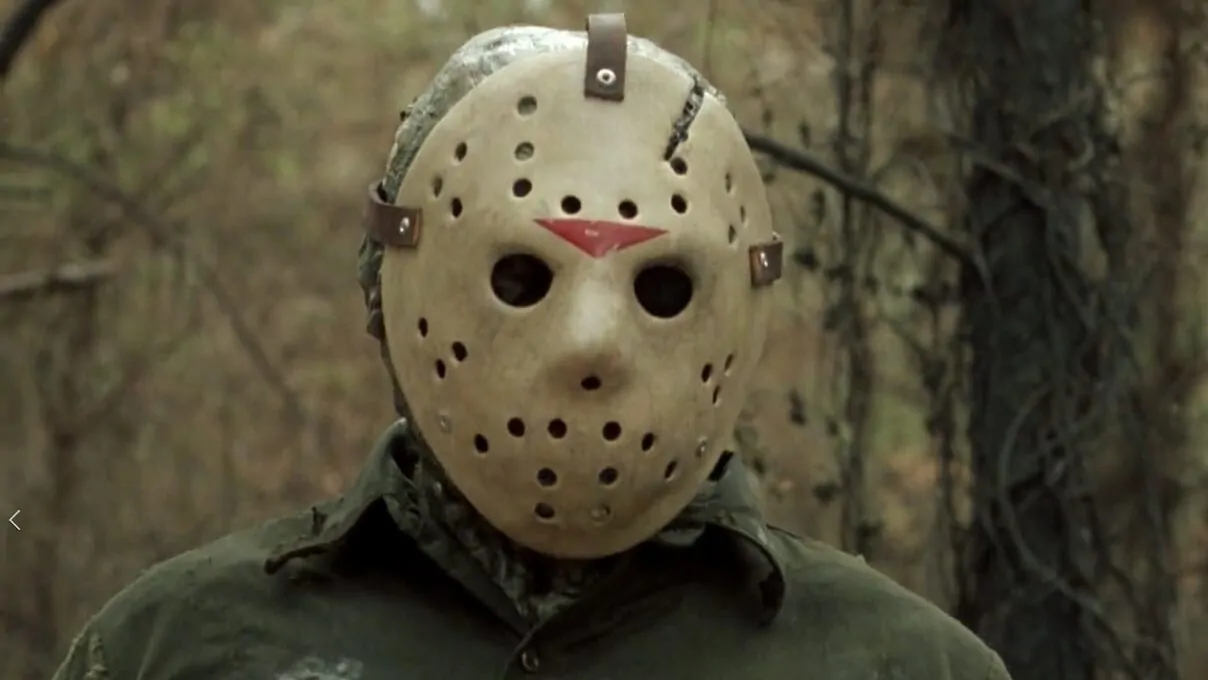
The strange thing about Jason Voorhees becoming one of horror’s biggest icons is that he isn’t even the killer in the original Friday the 13th.
His mother Pamela is.
Jason gradually took control of the franchise, becoming its central killer before acquiring the hockey mask in Friday the 13th Part III.
Once he did, horror had an icon.
The mask solved something extremely important for the franchise: Jason suddenly had an image that could be reproduced endlessly.
Posters.
T-shirts.
Halloween costumes.
Video covers.
One glance was enough.
Jason also represented the evolution of the slasher killer into something increasingly difficult to destroy. As the sequels continued, any remaining connection to ordinary human vulnerability disappeared.
Jason wasn’t merely a murderer anymore.
He became an unstoppable force.
Shoot him. Stab him. Drown him. Electrocute him.
Somehow, Crystal Lake would eventually get him back.
The franchise helped establish one of horror’s most enduring rules:
A successful killer is never really dead.
Freddy Krueger — A Nightmare on Elm Street (1984)
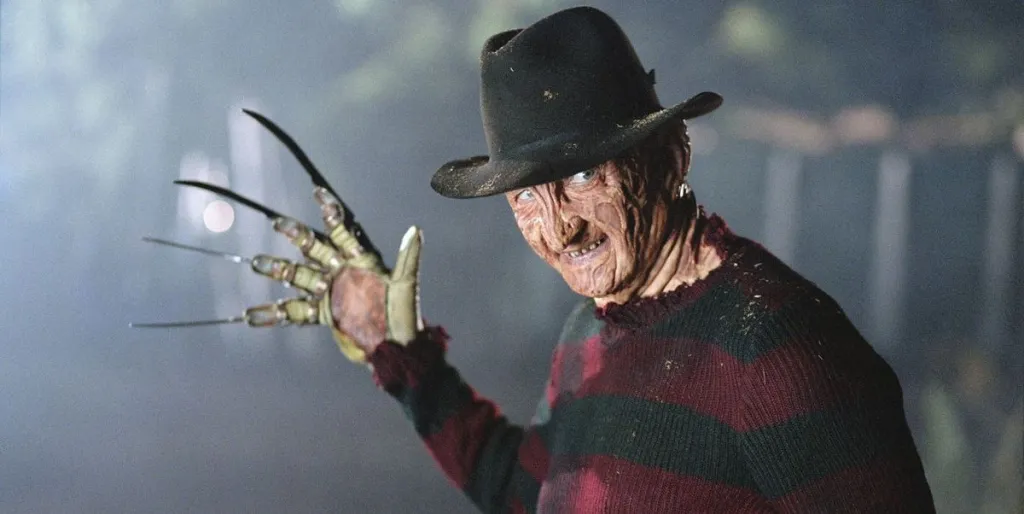
Wes Craven found the weakness in almost every slasher movie.
Eventually, the victim can run away.
So he created a killer you couldn’t escape by running.
Freddy Krueger waits inside your dreams.
That changed everything.
Suddenly the laws of reality no longer mattered. Walls could stretch. Rooms could transform. A bed could swallow somebody whole.
And eventually everybody has to sleep.
Robert Englund's performance gave Freddy something else many masked killers lacked: personality.
He talked.
He taunted.
He enjoyed what he was doing.
As the series developed, Freddy became increasingly theatrical and darkly funny, turning the villain himself into the franchise’s primary attraction.
The glove, fedora, burned face and red-and-green jumper completed an extraordinarily effective character design.
Freddy demonstrated that the horror villain didn’t have to remain silent.
Sometimes the worst thing the monster could do was talk to you first.
Pinhead — Hellraiser (1987)
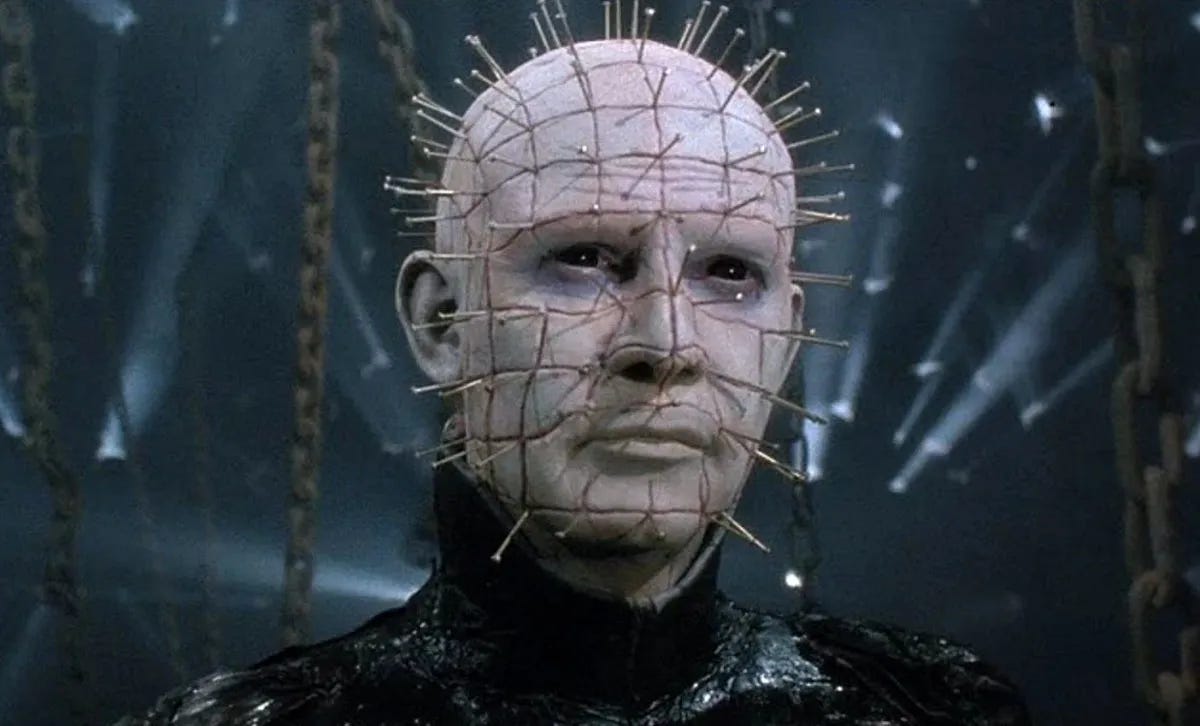
Then Clive Barker opened the box.
Hellraiser didn’t resemble the slashers dominating much of the decade.
Its monsters didn’t hide in forests or stalk suburban teenagers.
The Cenobites came from somewhere else entirely.
And at their centre stood the figure audiences would eventually know as Pinhead.
Doug Bradley's performance is calm, unlike many frantic horror villains. Pinhead doesn’t need to chase anyone down a corridor.
He speaks almost ceremonially.
Pain and pleasure have ceased to mean the same things to the Cenobites as they do to us, giving Hellraiser a disturbing mythology unlike almost anything else.
Pinhead's design became instantly recognisable, but his greater contribution was reminding audiences that horror's monsters didn't need to follow the increasingly familiar slasher template.
Horror still had stranger places to go.
And some doors should remain closed.
Chucky — Child's Play (1988)
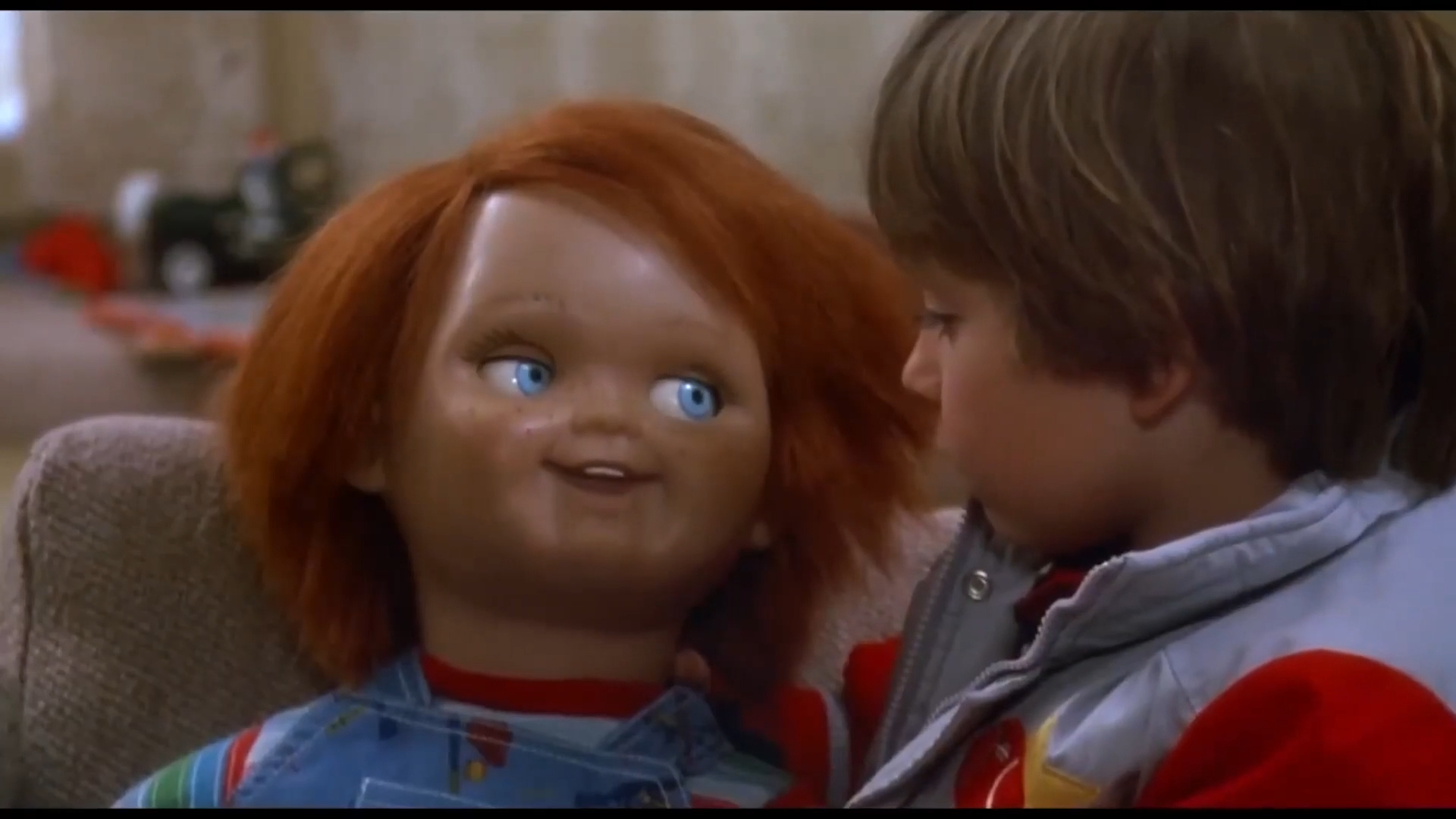
A child’s toy shouldn’t swear at you.
It definitely shouldn’t chase you with a knife.
That contradiction is what made Chucky work.
Child’s Play took something designed to make children feel safe and turned it into a killer.
Brad Dourif’s performance supplied the character’s personality, while increasingly sophisticated puppetry gave Chucky an extraordinary physical presence.
Unlike Jason or Michael, Chucky could hide in plain sight.
He’s small enough to disappear.
People don’t initially believe Andy when he tells them his doll is alive.
And Chucky knows it.
The franchise would eventually embrace increasingly outrageous comedy, but the central idea remains wonderfully effective:
Children are supposed to trust their toys.
After Child’s Play, horror fans looked at dolls a little differently.
Ghostface — Scream (1996)
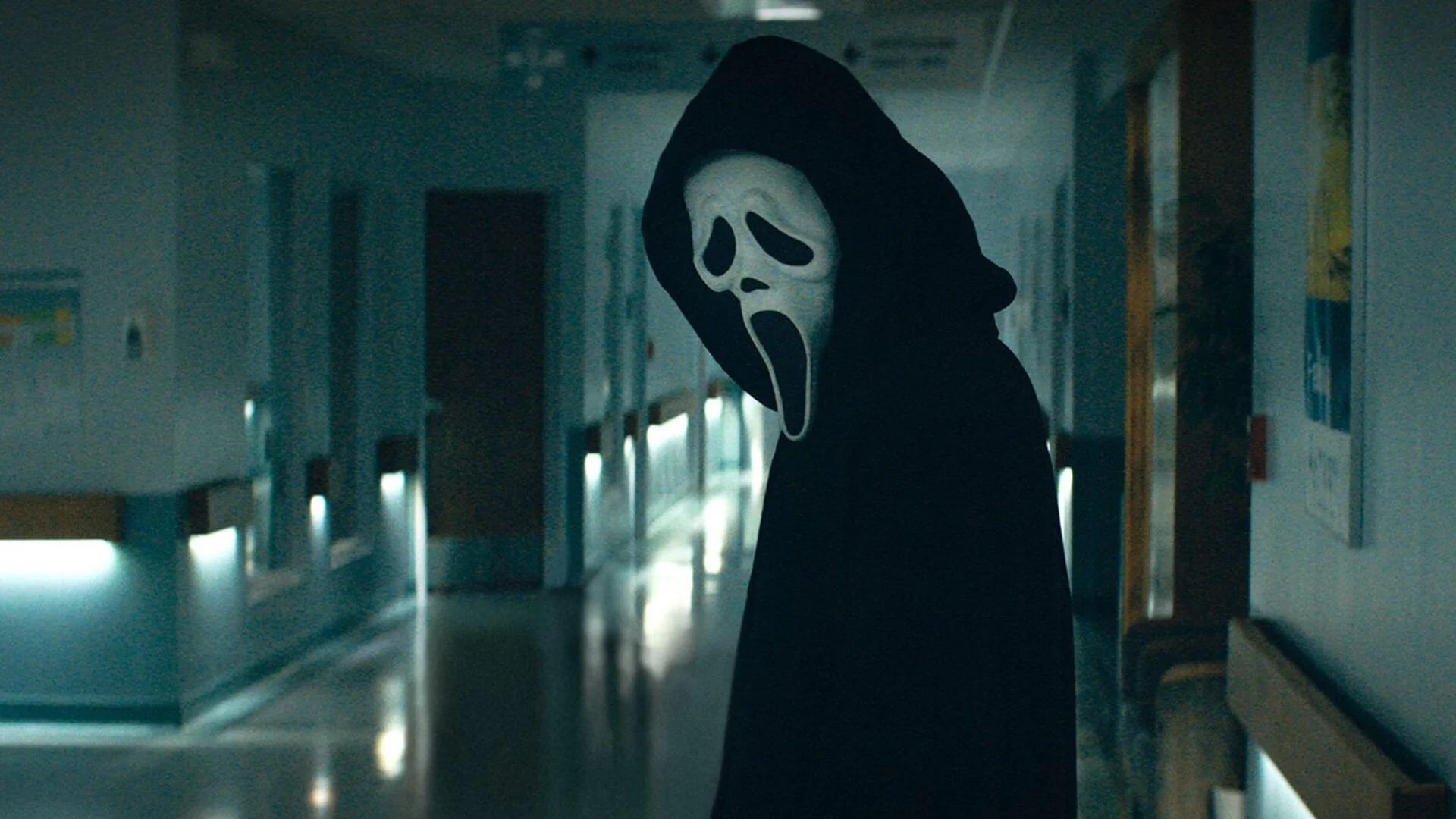
By the mid-1990s, the slasher had a problem.
Audiences knew the rules.
Wes Craven didn’t pretend they didn’t.
Scream made knowing the rules part of the movie.
Ghostface could discuss horror films with the victim before trying to kill them.
Characters understood that splitting up was stupid.
They knew sex was dangerous in slashers.
They knew another scare would probably happen when everything seemed finished.
And none of that knowledge necessarily saved them.
Ghostface was also fundamentally different from Michael, Jason and Freddy because the identity behind the mask could change.
Ghostface wasn’t one person.
Ghostface was an idea.
That allowed Scream to combine the slasher with the murder mystery, asking not only whether the characters would survive but who was underneath the mask this time.
The result helped revitalise a genre many believed had exhausted itself.
Horror had learned how to talk about horror.
There was no going back.
Candyman — Candyman (1992)
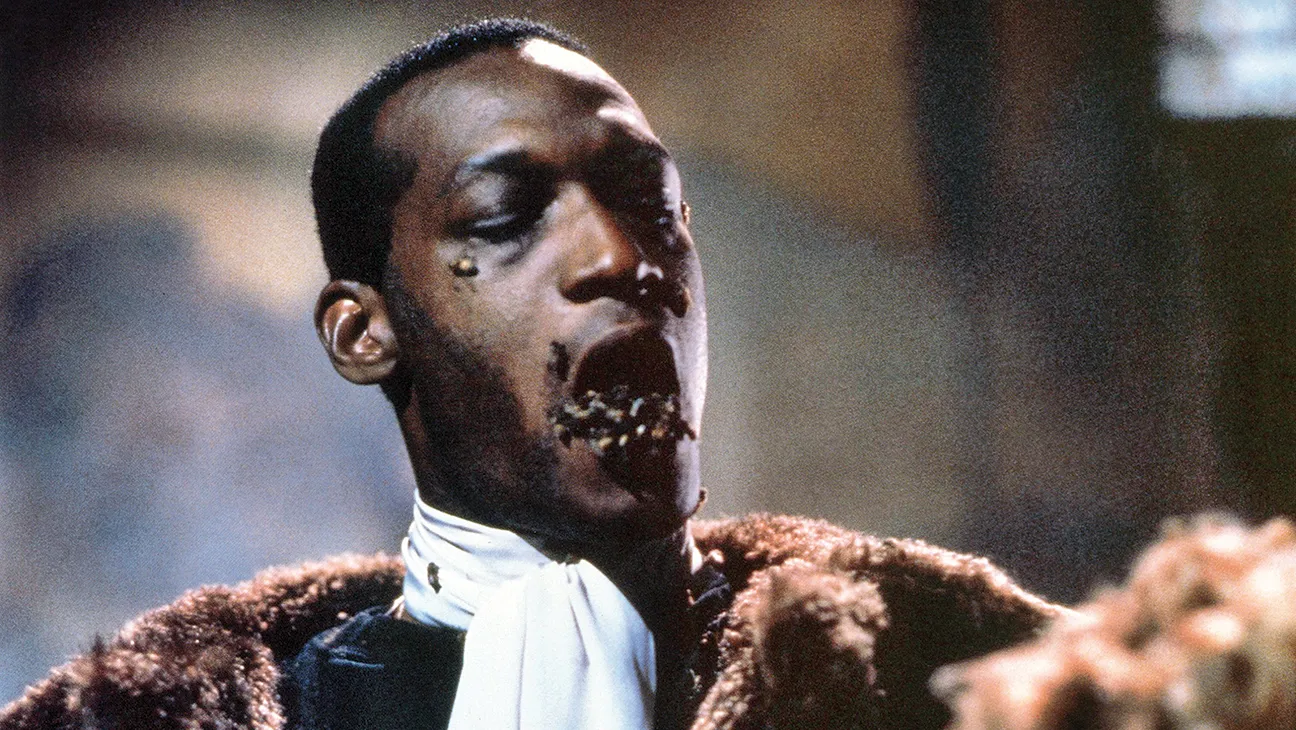
Say his name five times.
That’s all it takes.
Bernard Rose’s Candyman, adapted from Clive Barker’s story The Forbidden, understood the power of urban legends.
Tony Todd’s extraordinary voice and physical presence transformed Candyman into something simultaneously frightening, tragic and strangely magnetic.
But the character’s mythology is what made him especially powerful.
Candyman exists because people tell his story.
Every repetition strengthens the legend.
Every person daring somebody else to say his name keeps him alive.
That’s remarkably close to how horror itself works.
We tell somebody about the film that frightened us.
They watch it.
Then they tell somebody else.
Candyman isn’t merely haunting characters within the story.
The story is the haunting.
John Kramer — Saw (2004)
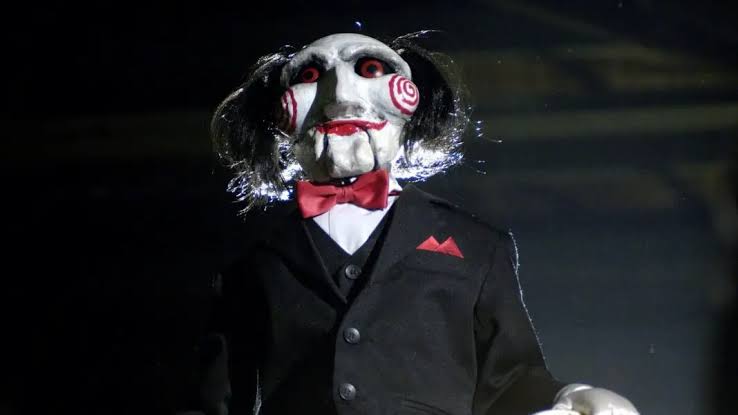
John Kramer doesn’t consider himself a murderer.
That’s what makes him interesting.
The man audiences came to know as Jigsaw places people in elaborate traps based on what he sees as their failures, forcing them to make horrific choices to survive.
Whether his philosophy withstands even a moment of serious scrutiny is another matter.
But it gave Saw something distinctive.
The villain had a worldview.
The first movie’s tiny budget and brutal central concept helped launch one of the twenty-first century’s defining horror franchises. The traps became increasingly elaborate, while the Billy puppet and the phrase “I want to play a game” entered horror culture.
Jigsaw also arrived at exactly the right moment.
Saw's success helped usher in a period of harder-edged mainstream horror in the 2000s, when audiences grew accustomed to increasingly graphic physical suffering.
But beneath all the machinery was a character who believed he was teaching people to value their lives.
That contradiction kept John Kramer more interesting than the traps alone ever could.
Why Horror Keeps Bringing Them Back
Most movie villains are defeated.
Horror villains become franchises.
There’s an obvious commercial reason. If audiences recognise Michael Myers, Freddy Krueger or Ghostface, studios already possess something enormously valuable.
But money doesn’t completely explain their longevity.
These characters are adaptable.
Michael can represent unknowable evil.
Freddy can invade whatever nightmare a filmmaker can imagine.
Ghostface can belong to somebody new.
Jason can return because nobody seriously expects death to stop Jason Voorhees anymore.
Each generation can encounter them differently.
The audience that watched Halloween in a cinema in 1978 isn’t the same audience discovering Michael through streaming decades later.
Yet the mask still works.
That’s remarkable.